



AI-Assisted Content Creation Without Sacrificing Quality
Artificial intelligence has changed content marketing faster than most people expected. The real opportunity isn’t replacing writers. It’s helping marketers spend less time on repetitive work and more time creating material that attracts readers, builds trust, and supports long-term business growth. Some teams publish AI-generated articles almost instantly, expecting traffic to follow. That approach usually falls flat because readers recognize shallow content faster than ever. Strong content still depends on strategy, experience, and human judgment. AI works best as an assistant, not the person calling every play.
Quality Starts Before AI Writes a Single Sentence

Many disappointing articles come from weak prompts instead of weak technology. If the instructions lack direction, the output often becomes generic. That’s like asking a GPS to drive somewhere without entering an address. You’ll move, but probably not where you intended. Start every project with a clear audience, search intent, and content objective. Define the questions readers need answered before generating the first draft. Giving AI specific context dramatically improves relevance and reduces editing time later. Better inputs almost always produce better outputs.
Human Experience Separates Helpful Content From Generic Copy
AI can summarize information quickly, but it cannot replace firsthand experience or business insight. Readers appreciate practical observations that come from solving real problems. Those details often become the reason someone stays on the page instead of clicking away. Review every draft with a critical eye. Add examples, original opinions, current industry knowledge, and realistic scenarios. Small edits often transform average content into something worth sharing. Think of AI as preparing the ingredients while the human chef finishes the meal.
Editing Should Improve Value Instead of Fixing Everything
Many marketers spend more time repairing poor AI drafts than creating content from scratch. That usually happens because editing starts without a clear checklist. Random revisions rarely produce consistent quality. Focus on accuracy, clarity, structure, and readability first. Remove repetitive phrases, tighten long explanations, and replace vague statements with useful information. Verify statistics, product details, and technical claims before publishing. Readers reward brands that consistently provide dependable information.
Search Performance Still Depends on Reader Satisfaction
Search engines continue improving their ability to evaluate helpful content. Publishing hundreds of AI-generated articles with little substance rarely creates lasting success. Visibility grows when people stay longer, interact more, and trust what they’re reading. Write for people before algorithms. Answer search intent early, organize information logically, and make every section worth reading. Strong user experience naturally supports better search performance because satisfied readers send positive engagement signals over time.
The Future Belongs to Teams That Combine Speed With Expertise
AI allows marketers to brainstorm ideas, organize outlines, and accelerate production. Those advantages matter because businesses need to publish consistently without overwhelming their teams. Speed becomes valuable only when quality remains intact. The smartest content strategy blends automation with experienced editing, thoughtful planning, and continuous improvement. Review performance data regularly and refine your workflow as audience expectations shift. AI will keep improving, but credibility will always come from people who add insight, verify facts, and create content that genuinely helps readers solve real problems.… Read the rest






 Let’s get one thing clear: short doesn’t equal sloppy. Lazy short-form content, vague sentences, clickbait headings, and hollow claims, get ignored. But strategic short-form? That’s where the win is. You focus on a specific query. You open with the answer. You explain just enough to add weight and leave out everything else. This also allows you to scale more efficiently. Cover five subtopics in five separate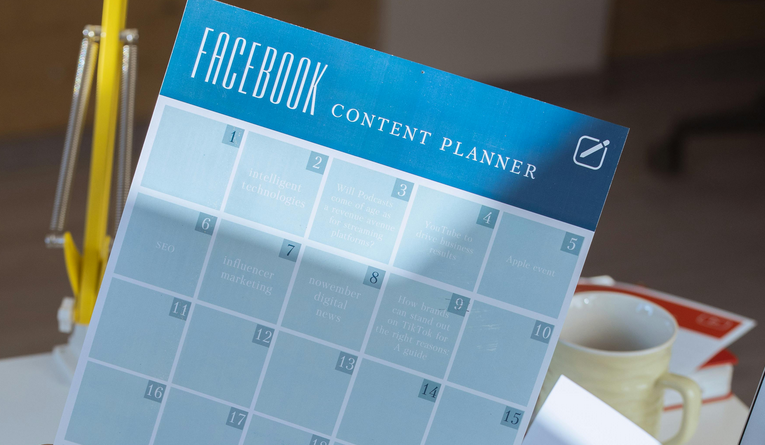

 Did you know that the importance of choosing the right H1 title is often underrated? Your H1 title is the first thing that users see when they come across your content in search results, and it can make a huge impact on their decision to click on your link. Your H1 tag should accurately reflect the main topic of your content and include relevant keywords that users are likely to search for. It’s literally the first thing both users and search engines see, so make it count. So, the best way to write a perfect H1 title is to avoid generic titles and opt for specific, descriptive ones instead. Think about what users would type into a search engine when looking for information related to your content. This will help increase visibility and attract more organic traffic to your site.
 In today’s competitive digital landscape, enhancing user experience with interactive content is crucial for standing out and dominating Google search results. Interactive content keeps users engaged, encourages them to spend more time on your site, and ultimately boosts SEO rankings. By inserting elements like quizzes, polls, calculators, interactive memes, short videos, or even infographics into your content strategy, you can offer highly valuable and personalized experiences for your audience. This not only increases dwell time but also reduces bounce rates—both of which are key factors in Google’s ranking algorithm. In the ever-evolving world of SEO, staying ahead of the curve is key to dominating Google search results. Follow these tips above so you can take your SEO game to the next level. Most importantly, keep refining your approach, analyzing performance data, and making adjustments as needed.…








 Start by examining your website. Is it user-friendly and visually appealing? Does it accurately convey your brand message? Evaluate the layout, design, and content to ensure if they align with your marketing goals. Next, assess your social media presence. Are you effectively engaging with your target audience on platforms like Facebook, Instagram, or Twitter?
 When running a successful website, one of the primary goals is to attract more traffic and increase visibility. This is where an SEO service provider can truly make a difference. An SEO service provider can improve your website’s ranking on search engine results pages (SERPs) by utilizing effective search engine optimization techniques. Targeting relevant keywords and optimizing your content, they help ensure that your website appears at the top when users search for related topics. But it’s not just about appearing higher in search results; it’s also about driving quality traffic to your site. An experienced SEO service provider understands targeting the right audience and optimizing your content accordingly.
 The key advantages of hiring an SEO service provider are the potential for improved rankings and a thorough SEO audit. Regarding online visibility, ranking high on search engine results pages (SERPs) is crucial. A professional SEO team can analyze your website’s current performance, identify areas for improvement, and implement effective strategies to boost your rankings. With their expertise in keyword research and optimization techniques, an SEO service provider can help optimize your website’s content to align with users’ searches. By targeting relevant keywords and incorporating them naturally into your web pages, you increase the chances of appearing higher in search results. Another aspect that an SEO service provider can assist with is conducting a comprehensive SEO audit.
 In today’s highly competitive online landscape, businesses must stay ahead of their competitors. This is where hiring an SEO service provider can give you the edge you need. First and foremost, an SEO service provider has the expertise and knowledge to analyze your competition. They will thoroughly research your competitors’ strategies, keywords, and content to identify areas where you can outperform them. An SEO

 Finally, targeting and segmentation can help improve the overall user experience of your ads. By creating more relevant ads to your target audience, you ensure that they see content tailored to their interests and preferences. This enhances the user experience and can lead to higher engagement rates. Targeting and segmentation are essential elements of any successful Google Ads
 A/B split testing is a great way to find out which versions of your marketing campaigns are performing the best.
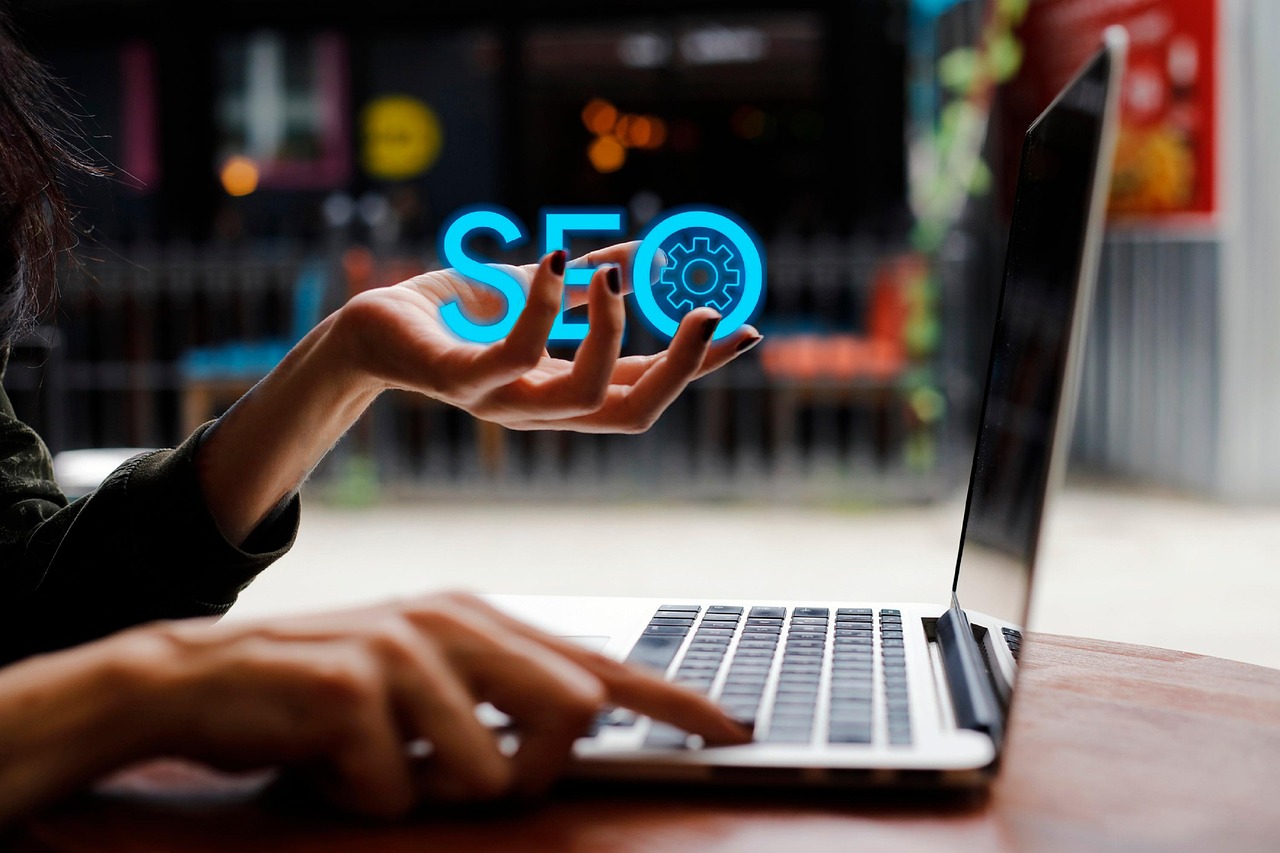
 SEO is essential if you want your content to be found by potential customers.

 Live streaming has become a popular way for musicians to connect with fans. Live streaming allows musicians to interact with their audience in real-time and allows them to showcase their music in its rawest form. Musicians can use live streaming platforms like Twitch, YouTube, and Facebook Live to broadcast live concerts, interviews, Q&A sessions, and other events to their fans. Also, with the rise of virtual reality, musicians can use this technology to create an interactive live performance experience for their fans.
 Finally, in 2023, we expect to see more musicians collaborating with influencers. Influencers have become powerful tools for marketing and promoting music, so collaborating with them is an excellent way for musicians to get their music heard by a wider audience. By partnering with influencers, musicians can gain valuable exposure and reach new fans. In addition, influencers can also help musicians to create content that resonates with their target audience. In conclusion, 2023 will be an exciting year for musicians and music marketing. Musicians should take advantage of the trends outlined here to maximize their reach and engagement with their fans. With the right strategy, musicians can use social media to promote their music, interact with their fans, and build relationships with influencers to reach new audiences.…


 More and more people are using their smartphones and tablets to browse the internet. So, if you want to make sure your site is visible to as many people as possible, you need to optimize it for mobile.
 Several online directories will list your website if you submit it to them. This can help to increase your site’s visibility and traffic. You should also submit your site to local directories if you own a local business. This way, people searching for businesses like yours in their area will be able to find your site.
 On-page SEO is one of the most significant ranking criteria for Google. This refers to all the things you can do on your website to increase its visibility in search results. Some of the most important on-page SEO factors include:
 It seems like every day, there’s a new trend that millennials are into. From the latest fashion trends to the newest way to consume content, this group is always looking for what’s new and exciting. And businesses know that if they can get in on these trends early, they’ll be able to capture a large portion of the millennial market. Just look at the success of brands like Supreme or Off-White – both of which have been able to tap into millennial culture and become extremely popular.
 If you think brochure marketing or print ads will cut it with
 As we move into the future, the content will become more and more interactive. It means that instead of just reading or watching a piece of content, audiences will be able to engage with it in various ways.
 Popularized for the first time by TikTok, short videos are now being used by brands and businesses of all sizes to promote their products, services, and even just their overall brand. These videos are usually between 15 seconds and one minute in length, and they’re designed to be highly engaging and attention-grabbing.
 Social media is huge in Korea because their culture revolves around beauty, entertainment, and art. So, it makes sense that a lot of Korean businesses would use social media platforms like Instagram and YouTube to promote their food and beverages.
 Another popular marketing strategy that Korean businesses use is using cute characters to represent their products. This is especially effective for businesses that sell children’s products or snacks.
 The last marketing strategy that we’ll be looking at is giving endorsements. This is a widespread practice in Korea, and it’s often done by celebrities or well-known public figures.
 When creating text messages for your marketing campaign, be sure to use clear and concise language. Keep your messages short and to the point. It will ensure that your target audience will read them. In addition, be sure to use keywords relevant to your business.
 Suppose you don’t have the time or resources to create a text message marketing campaign on your own. In that case, you may want to consider hiring a text message marketing service. A good text message marketing service will help you develop compelling messages to reach your target audience. In addition, they can help you track the results of your campaign and make necessary adjustments.


 The first thing that every graphic designer should do is to focus on simplicity. It means that SEO is not something that you should overcomplicate. Make it as simple as possible. The simpler your site and its content are, the easier it will be for search engines to crawl through them and find relevant keywords within them. Moreover, you can make your website easier to navigate and bring more conversions with a simple design. You should also avoid using Flash for SEO purposes, and search engines can’t crawl it. Even if it could work, the crawlers won’t understand what you’re saying – so don’t waste your time on this!
 It would help if you also made the website visually pleasing for your visitors to enjoy the website. Users prefer to look at attractive images and videos rather than reading text blocks. One SEO tip for graphic designers is to think about the type of visuals you can add or use on your website. If possible, you should also include keywords in the image file names while uploading them onto a media library like Flickr. This way, it will be easier for you to optimize SEO for your images.
 Profit singularity is a program that takes advantage of online traffic. It is a way to promote products through affiliate marketing and YouTube ads. YouTube is the largest video website and therefore has a lit of human traffic. It can work to your advantage and gain you profits in the comfort of your home. Factors like shipping, inventory, and handling no longer become a cause of worry. The three-step program can be a lengthy and frustrating process.
 It is a step-by-step guide with forthright and easy-to-understand details. It incorporates templates and examples that make the learning experience less strenuous. You generate an income by earning commissions by advertising brand products. Making money online has its challenges. However, with the right tools, tips, and mentoring, you can overcome this difficulty. The profit singularity equips learners with the proper knowledge to tackle problems.
 The first benefit of the program is the money, of course. It is an effortless way of making money, and your location doesn’t matter. Money made online can go to make life more comfortable.
 These factors can also influence results based on search engine placement. Every roofing builder should know the most common keywords for roofing before starting in-depth keyword research. These keywords form the basis of your overall strategy. From these keywords, you can generate long-tail keywords. These terms are more relevant to your local business and can help you create the right leads. Your business will appear higher in search engines when potential customers type in these terms.
 Creating a Google My Business account is a great way to stand out in Google search results if you haven’t already done so. It’s easy to create an account that will benefit your business beyond SEO efforts. Your customers can evaluate your business through this account. This will make your website more visible in Google products like search and map. Improving local search for small companies is not just about using the right keywords. After Google’s latest algorithm updates, local SEO was one of the factors that allowed a business to rank better in competitive markets.
 Pay-per-click advertising is another option for roofing companies. With pay-per-click advertising, a business pays to appear on the first page of Google search results for specific keywords. In this case, the keywords are roofing jobs. These search results appear at the top of the page with “ad” next to them. This shows users that the company has paid to appear that high on the search results page.
 The first factor that will be crucial in helping you find the right online marketing agency for your business is online approval ratings. It makes sense to consider online ratings as online marketing agencies do most of their operations online.
 Apart from the approval ratings, you should make an effort to consider the type of services an online marketing agency offers. Those new to online marketing may not be aware that a company may need many services when it comes to marketing.
 The last important factor you should ensure you consider is the amount it will cost you to hire an online marketing agency. Each agency will ask for a price that may vary. It is crucial to point out that numerous factors may determine the amount of money an online marketing agency asks for. They may include the quality of the service offered and also the type of service they offer. As money is always a crucial factor in business, you should ensure that you choose a marketing agency your business can comfortably afford.
 Before making your decision, you need to spare your time and research. It is advisable to understand that a professional
 security for the user (and therefore, a better user experience), whether making purchases or browsing the site. Google is starting many index pages with this HTTP protocol than the traditional one; for e-commerce sites. It is essential to use unless users are diverted from other payment platforms (sell bank, PayPal, etc.).


 Every business entity that plans to expand online should be using an efficient Search Engine Optimization or SEO. If you are not familiar with SEO, then you should have an expert to do it for your company. The advantage of having an SEO expert is that you can start it right away. If you plan to do it yourself, you may spend a long time learn the process which is a waste of time that could have been used in letting the world know about your business through the many facet of SEO.
 The most basic and most important resource an online business can have is a stable internet connection. You will surely never have an honest-to-goodness online business without it. Having a stable internet connection will ensure that you can monitor changes in your feeds and you can stay connected with customers.
 A website is an extension of your business. As such, using local SEO services essentially means that you are opening your doors to local consumers who might not be in a position to access your business premises. As a result, you should be willing to engage potential customers with information or content that is relevant to them and the growth of the company. Investing in your website and local presence will undoubtedly be rewarding if done right.
 They Identify Relevant Influencers
 They Offer Tailor-Made Solutions

 …
… 
 How does the website look like when it is first opened? Is it cluttered or there is a lot of white space? Is it easy to navigate? How is the positioning of icons and buttons? Which color themes and fonts have been used? Is the website mobile-friendly? These are just a few questions you should ask yourself when choosing a design for your business website.