
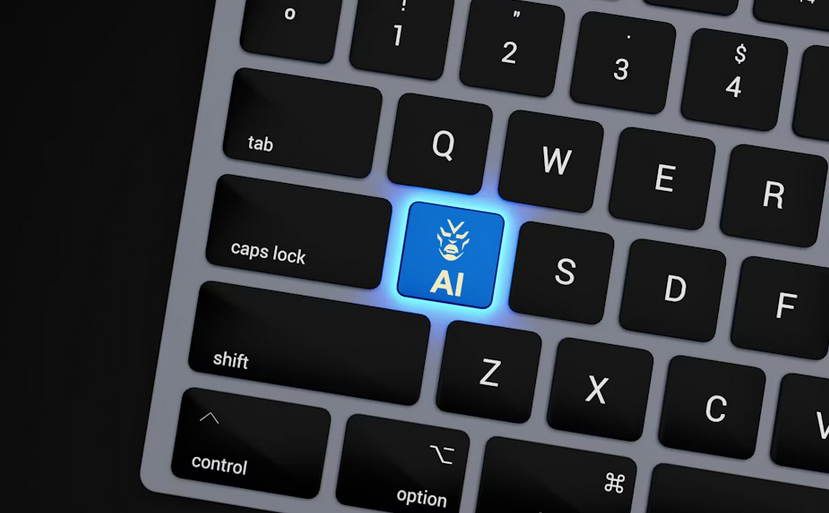
Marketing campaigns are becoming smarter, faster, and more precise thanks to rapid advances in artificial intelligence. Instead of relying on manual adjustments and delayed reporting, businesses can now optimize ads, content, and targeting in real time. Brisbane SEO consultants start seeing how AI-driven insights uncover patterns that humans might miss, leading to more efficient budget use and stronger performance. These tools analyze massive data sets, test variations automatically, and continuously refine strategies for better results. Understanding how AI tools are changing campaign optimization reveals why data-powered automation is quickly becoming a cornerstone of modern digital marketing success.
Real-Time Data Processing and Decision Making
AI tools can analyze massive volumes of campaign data in real time. Click-through rates, impressions, conversions, audience behavior, and contextual factors are continuously evaluated. This constant processing allows campaigns to adjust dynamically as conditions change. Instead of waiting for periodic reports, marketers gain access to live performance insights. These systems can recommend or automatically implement changes that improve results while campaigns are still running.
Advanced Audience Segmentation

Traditional segmentation often groups users by broad characteristics such as age or location. AI-driven systems analyze deeper behavioral signals, including browsing habits, content preferences, and interaction patterns. This enables more precise audience segments based on predicted interests and intent. Campaign messages can be tailored to these micro-segments, improving relevance and engagement. More accurate segmentation supports higher efficiency and stronger overall performance.
Predictive Performance Modeling
AI tools use historical and current data to forecast how campaigns are likely to perform under different conditions. These predictive models estimate the impact of budget changes, creative variations, or targeting adjustments before they are implemented. By simulating potential outcomes, marketers can choose strategies with a higher probability of success. This forward-looking capability reduces uncertainty and improves planning accuracy.
Automated Creative Optimization
Creative elements such as headlines, images, and calls to action significantly influence campaign effectiveness. AI systems can test multiple creative variations simultaneously and measure performance at scale. Underperforming versions are deprioritized, while stronger variations receive more exposure. This continuous testing process refines creative assets over time and ensures that audiences see the most effective combinations.
Reduced Manual Workload

AI automation reduces the need for repetitive manual tasks, such as report generation, bid adjustments, and basic testing. This frees marketers to focus on strategic planning, creative development, and high-level analysis. By handling routine optimization tasks, AI tools increase operational efficiency and consistency.
Smarter Budget Allocation
Allocating budgets across channels and campaigns is a complex task. AI tools evaluate performance signals and shift spending toward higher-performing segments in near real time. This adaptive allocation helps maximize return without requiring constant manual oversight. Budgets become fluid rather than fixed, responding to changing performance patterns throughout the campaign lifecycle.
AI tools are transforming campaign optimization by enabling real-time analysis, predictive modeling, automated testing, and adaptive budget management. These capabilities shift optimization from a reactive process to a proactive, continuous one. As AI technology advances, its role in shaping efficient, data-driven campaigns will continue to expand.